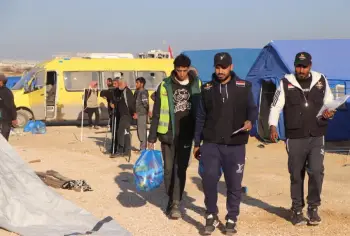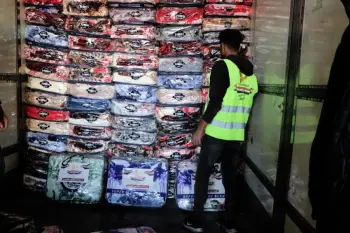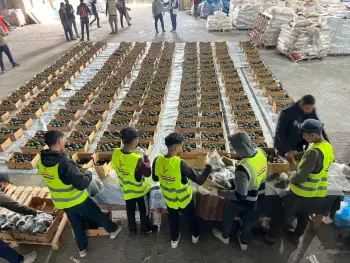

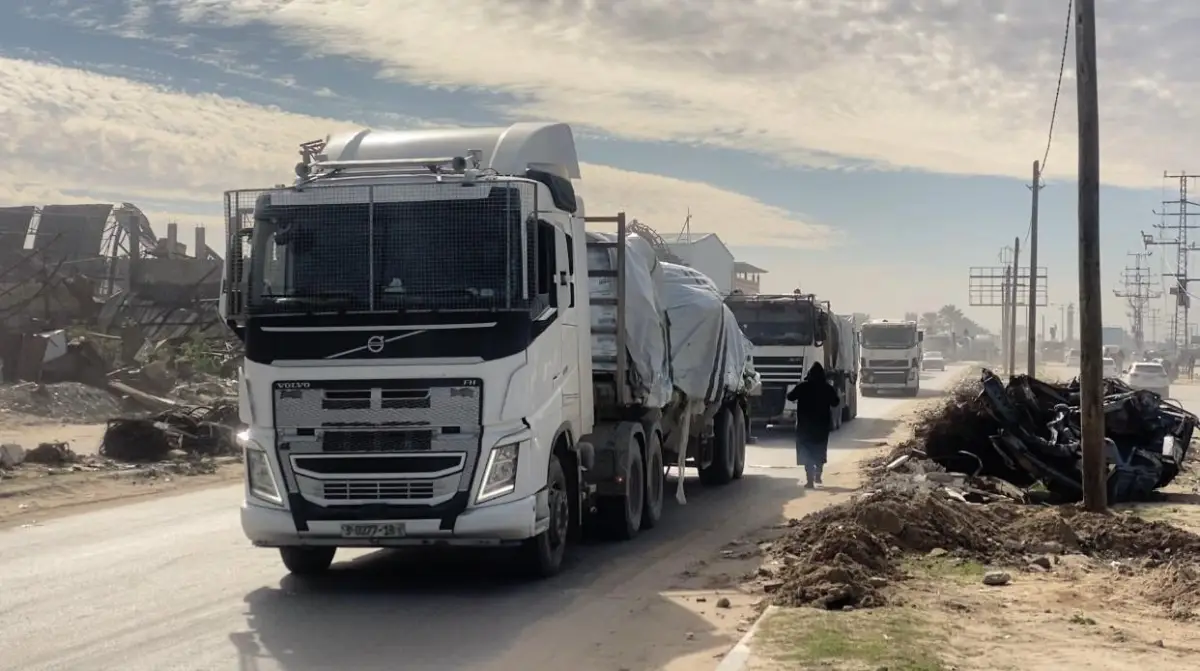
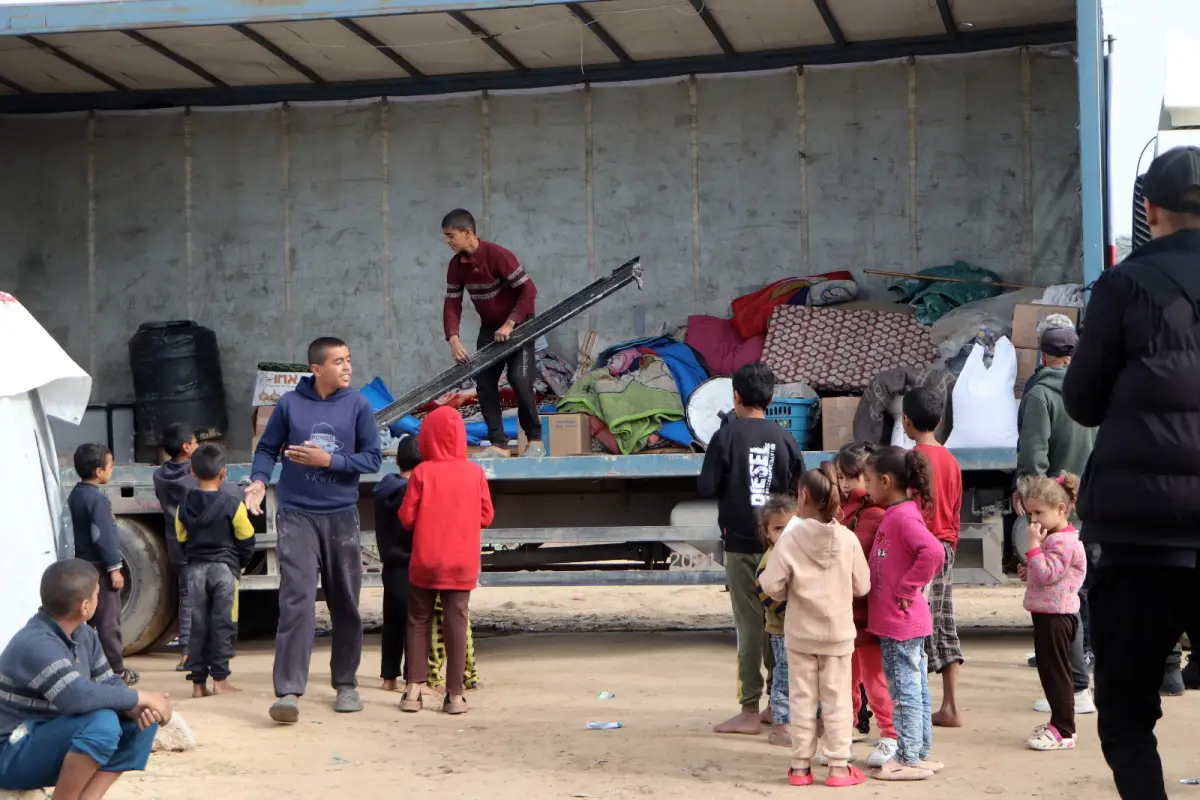
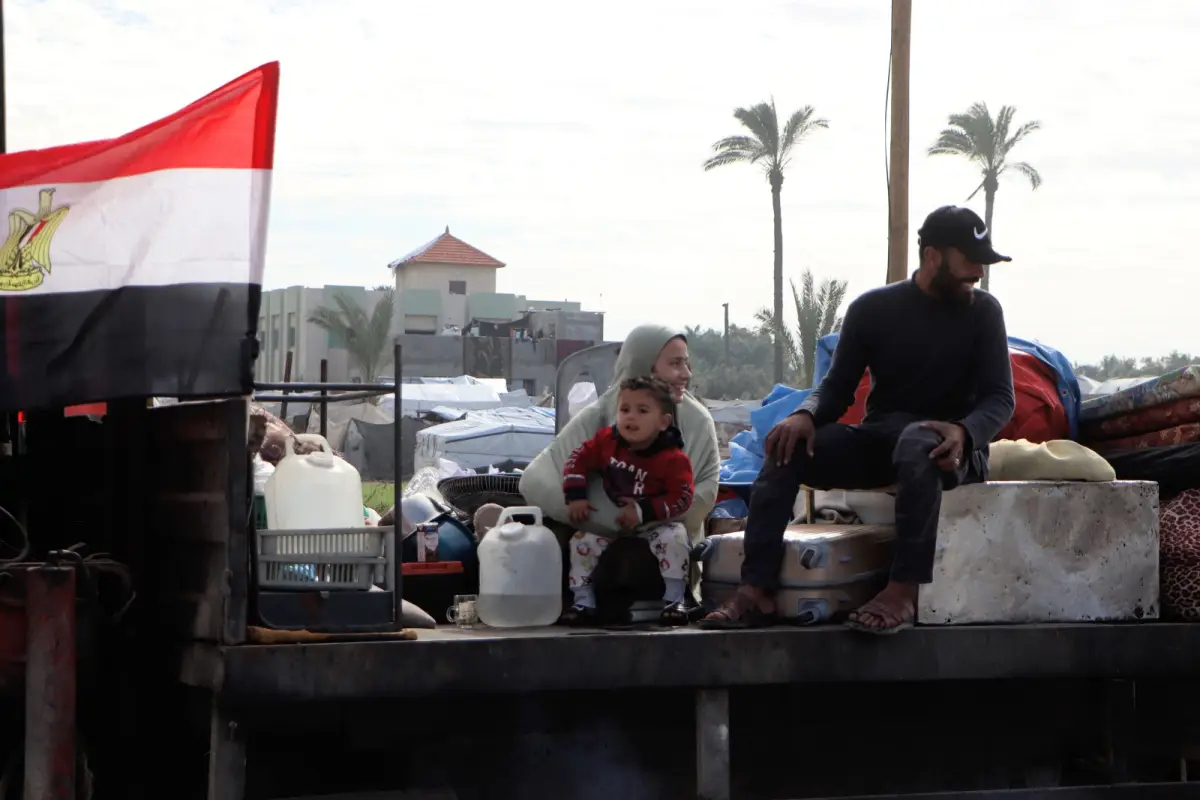
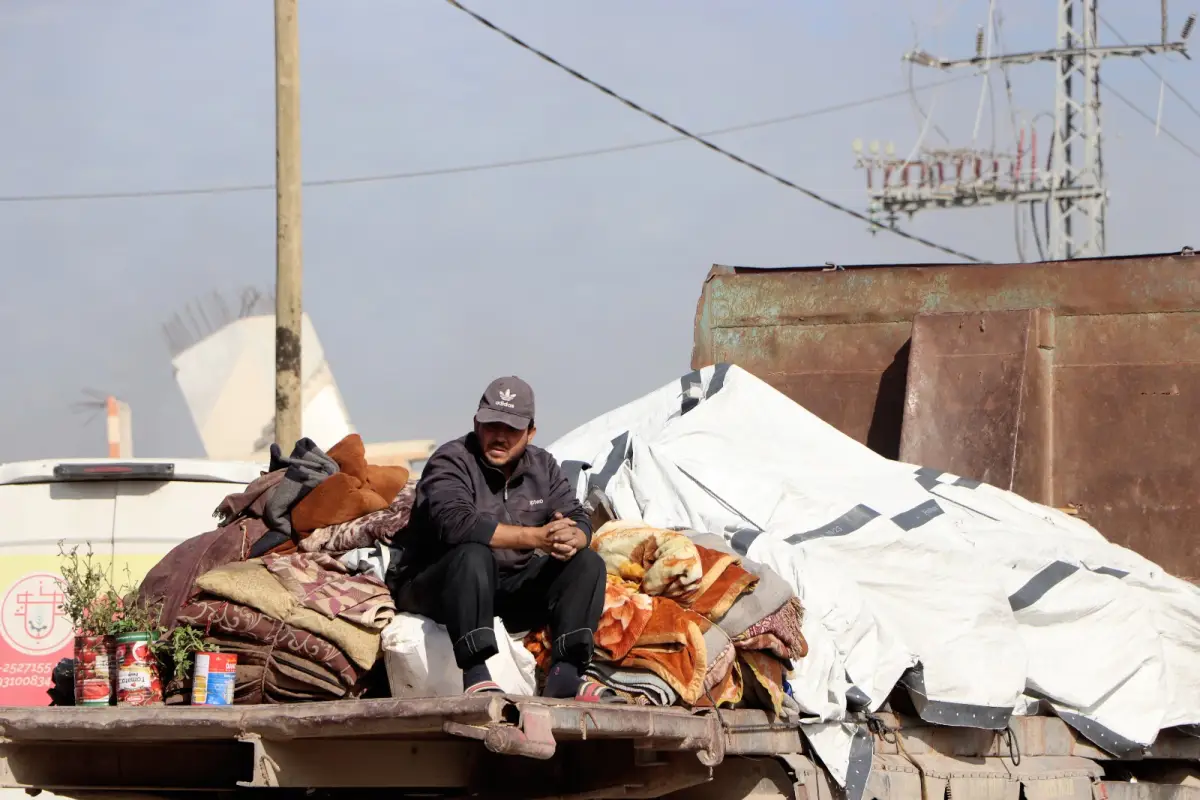

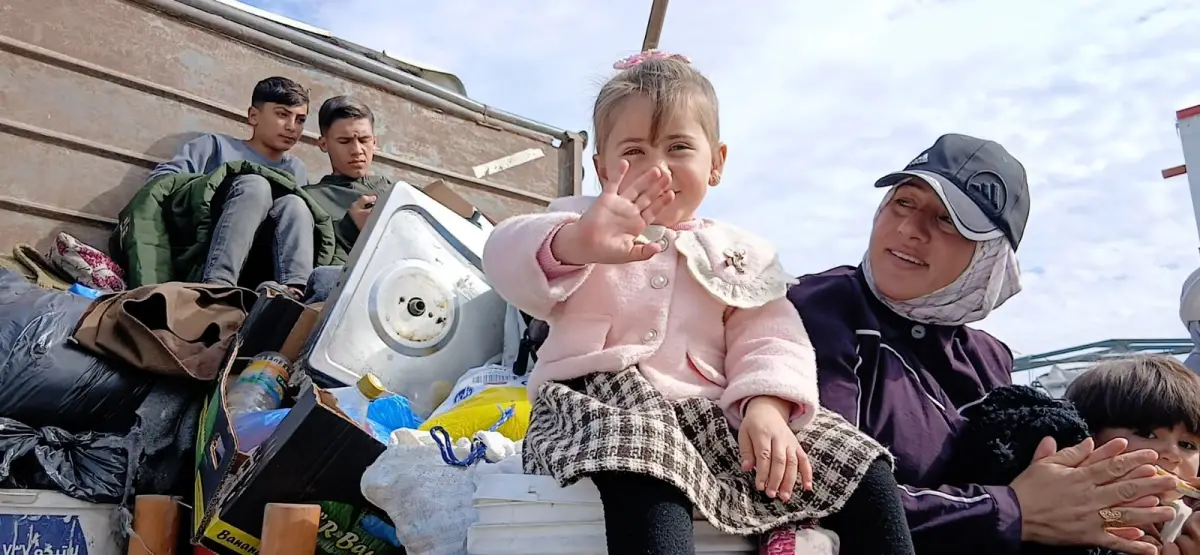
In a recent humanitarian response, the Egyptian Committee today facilitated the return of the fourth batch of displaced families from southern Gaza to northern Gaza. This effort is part of a sustained strategy to enable families to reclaim their homes, despite the extensive destruction and extremely challenging living conditions that continue to impact northern Gaza.
The return operation was conducted through a well-coordinated field process, with humanitarian convoys departing in the early hours and transporting families exhausted by prolonged displacement after months of hardship in shelters and temporary displacement sites in the southern part of the Strip. Special arrangements were put in place to ensure safe and dignified access for older persons, women, children, and persons with disabilities.
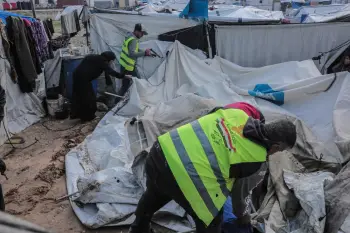
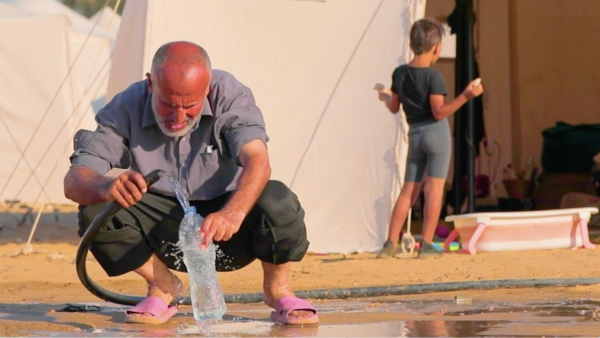
Many returnees expressed mixed emotions upon arrival, combining relief at returning to northern Gaza after a long and forced separation with deep sorrow over the extensive destruction of residential neighborhoods and the near-total absence of basic services, including housing, infrastructure, water, electricity, and healthcare.
Relevant authorities confirmed that the return of the fourth batch forms part of a phased humanitarian framework building on previous efforts, aimed at alleviating pressure on southern areas and enabling families to access and assess their homes and lands, despite profound challenges driven by the collapse of basic services and acute shortages across northern Gaza.
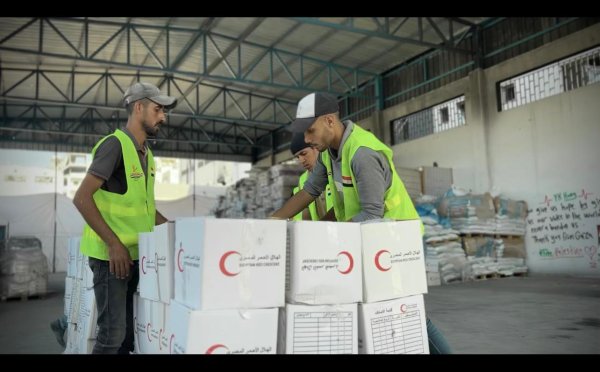
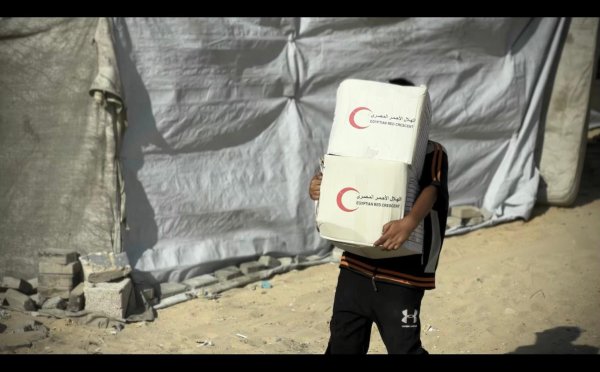
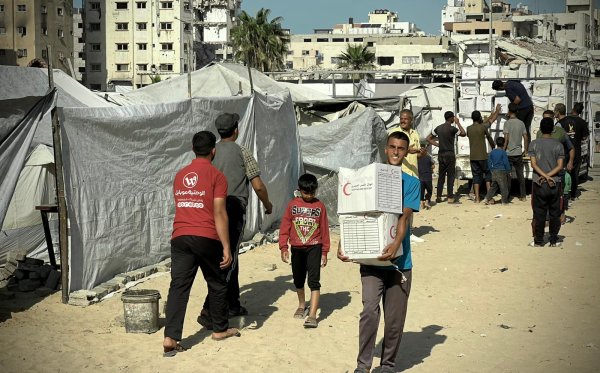
They further highlighted that returning families are confronting extremely harsh humanitarian conditions, with urgent needs for life-saving assistance, including food, safe drinking water, shelter materials, and psychosocial support, particularly for children who have endured prolonged periods of war and displacement.
This operation comes amid growing humanitarian appeals for accelerating and expanding relief efforts, enhancing civilian protection, and providing sustained support for returnees in devastated areas where even the most basic necessities remain scarce.
Authorities emphasized that further return movements are planned within current operational capacities. They stressed that the return of displaced families does not mark an end to suffering, but begins a critical phase requiring ongoing humanitarian engagement and large-scale reconstruction to safeguard the rights of affected populations to safety, dignity, and a humane standard of living.